INNOVATION IN DRUG DISCOVERY
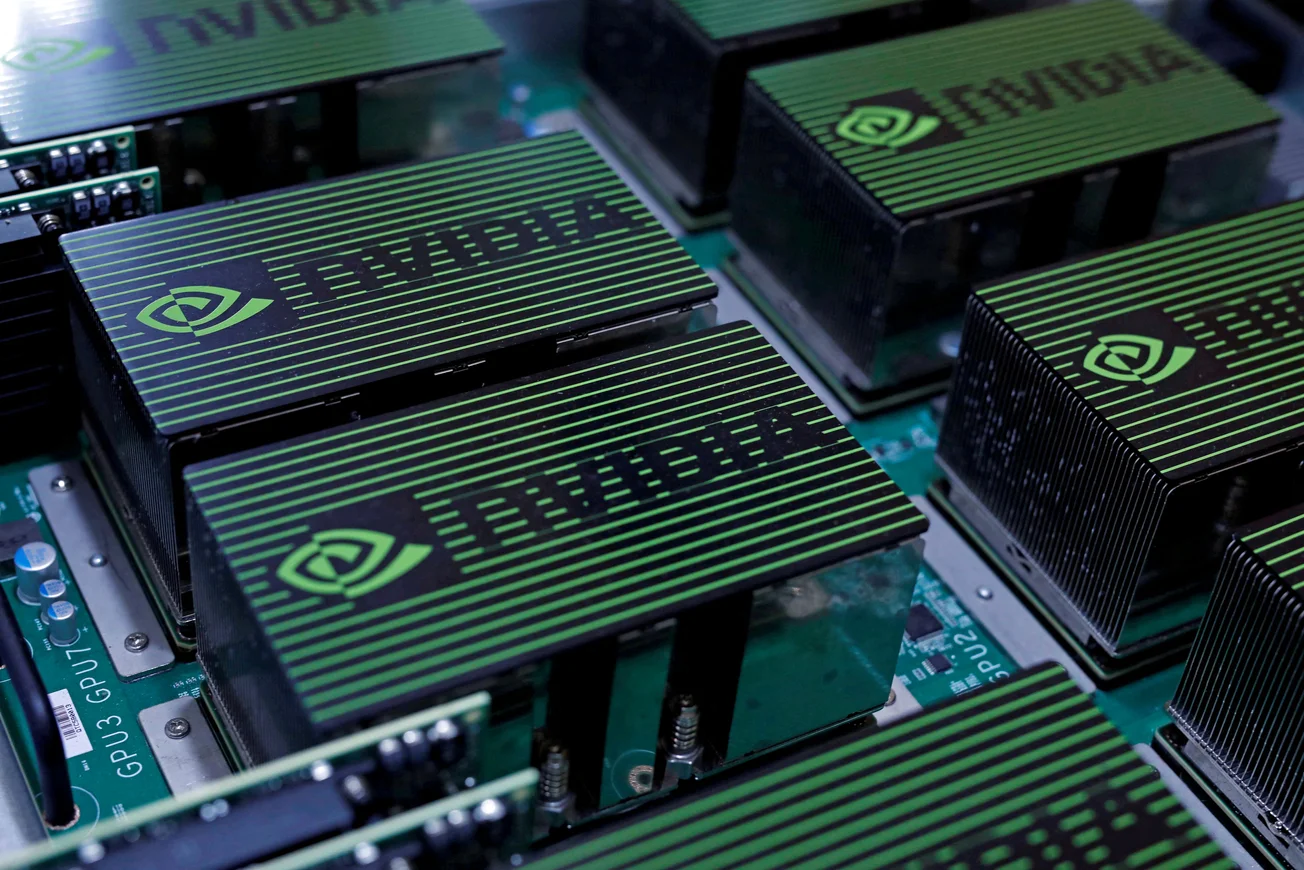
Xeureka, a subsidiary of Mitsui & Co., recently announced improvements in its artificialintelligence (AI) models for drug discovery, boosting accuracy from 65% to 74% byleveraging Fortanix and NVIDIA's Confidential Computing technologies. Utilizing thelatest advancements in data science and computer hardware, Xeureka effectivelyremoved sensitive and confidential information from a multi-source dataset,overcoming one of the largest barriers to the development of AI in healthcare.

MEDICAL APPLICATION OF EMERGING TECHNOLOGY
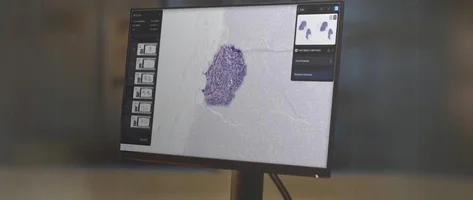
Partners Paige & Microsoft have announced the launchof Virchow2, the second largest cancer pathology AImodel to date. Utilizing over 3 million path slides andtrained using de-identified data from over 225,000patients, these models set a new record in AI trainingscale, surpassing previous performance standards, asshowcased in a recent technical report. This enormousdataset, created in collaboration with Microsoft, offersunparalleled diversity and depth, including over 40tissue types stained with H&E and diverse immunestains (IHC), making it suited to a wider variety ofapplications.
REGULATION OF EMERGING TECHNOLOGY
The FDA has recently provided 510(k) clearances forseveral AI-powered diagnostic tools, includingproducts from AISAP and MRIMath. AISAP's CARDIOsoftware can diagnose up to 90% of common cardiacstructural and functional parameters at the bedsidewith high accuracy, demonstrating 93% sensitivityand specificity in clinical trials. MRIMath's i2Contour device for glioblastomamanagement has markedly increased efficiency bysaving up to an hour per imaging study and achieved95% accuracy for T1C sequences, offering substantialimprovements in patient care and reducing inter-uservariability.
REGULATION OF EMERGING TECHNOLOGY
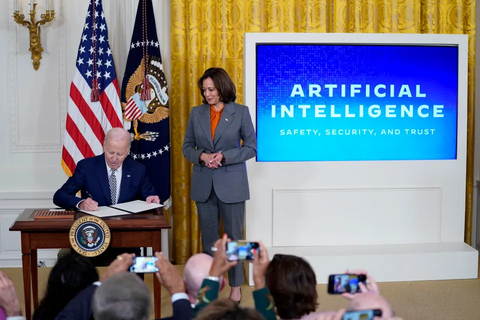
Pharmaceutical companies are increasingly integratingAI into their research, but the FDA is still determining itsregulatory role, aiming to issue guidance later this year.At a recent meeting with industry executives andacademics, data quality, transparency and explicabilitywere identified as major challenges to creating apredictable regulatory environment for emergingtechnologies. To expedite the process of regulatoryadoption, FDA officials have encouraged companies tobring AI pilot programs to the agency to ensure newsolutions meet standards throughout the developmentprocess.

REGULATION OF EMERGING TECHNOLOGY
Inspired by the influx of AI and ML applications inmedicine, a systematic review of academic studies onemerging technology recently identified theimportance of evaluating the data quality within newtools as part of the regulatory approval process. Froman analysis of 5408 studies, 120 eligible records weresynthesized to develop the METRIC-framework, aspecialized data quality framework designed toimprove the trustworthiness of AI in medicine,incorporating 15 dimensions to evaluate medical MLtraining datasets.
INNOVATION IN DRUG DISCOVERY
Sanofi, Formation Bio, and OpenAI recently announced theirpartnership in developing AI-powered software for thepharmaceutical industry, using Sanofi’s proprietary data inthe creation of industry-tuned AI models to optimize drugdiscovery. Initial focus areas for collaboration will includethe design of new drug compounds, identifying existingdrugs with repurposing potential, and optimizing clinicaltrial processes. In 2023, AI applications enabled Sanofi toidentify 90 new drug targets, advance seven in its pipeline,and expedite molecule progression in 12 therapeuticindications, which the new partnership will continue to buildupon.


Get expert analysis, industry trends, and exclusive updates delivered straight to your inbox. Stay ahead of the curve with valuable insights that drive success.