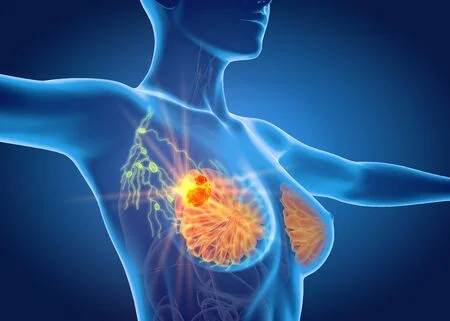
TxGemma is a set of open Al models designed to enhance drug developmentefficiency by leveraging the power of large language models. TxGemma hasbeen made available to the community through the Health Al DeveloperFoundations platform. The models' license terms are not yet clear. In October,Google launched Tx-LLM, a language model designed for various therapeutictasks in drug development. Due to strong interest, after fine-tuning the modelfor therapeutic applications, Google has now created its open successor,TxGemma. TxGemma allows developers to customize it for their owntherapeutic data and tasks.


At the NVIDIA GTC conference in San Jose, CEO Jensen Huangaddressed over 25,000 attendees, emphasizing Al's growing impactacross industries, including healthcare. The event featured major Al-drivenadvancements in drug discovery, such as NVIDIA BioNeMo's updates andintegration into platforms like Sapio ELN and Orion for molecular modelingand protein synthesis prediction. NVIDIA also unveiled Evo 2, the largestpublicly accessible Al model for biology, developed with the Arc Institute.NVIDIA's collaboration with ConcertAl is pioneering Al "agents" tostreamline oncology research and clinical trial workflows. These modelsautomate complex tasks such as extracting biomarker data and optimizingtrial designs. The partnership leverages NVIDIA's computational power toscale agent-driven automation, reducing administrative burdens andenhancing decision-making in drug development.
Insilico Medicine and Enveda have both secured significant funding to advance Aldriven drug discovery. Enveda leverages Al to discover new medicines from naturalsources, while Insilico Medicine integrates generative Al, biology, and chemistry tooptimize drug development, featuring tools like a humanoid Al scientist and roboticlab automation. Insilico raised $110 million to enhance its Pharma.Al platform androbotic research lab, while Enveda gained backing from Sanofi, bringing its totalSeries C financing to $150 million to support clinical trials for its Al-discoveredtherapies. These investments highlight the growing role of Al in pharmaceuticalinnovation, with major players like Sanofi and Menarini Group partnering with Aldriven startups to accelerate drug development.

The Oxford Drug Discovery Institute is using Al-powered databases andknowledge graphs to accelerate Alzheimer's drug discovery by rapidlyanalyzing vast biomedical datasets. By leveraging these technologies,researchers have reduced the time needed to evaluate gene targets fromweeks to days, improving the selection of potential drug targets.Knowledge graphs help scientists trace biological relationships acrossmultiple sources, enhancing data interpretation and target identification.

Scientists at The Institute of Cancer Research, London, havedeveloped an Al-powered "fingerprint" technology that analyzes the3D shape of cancer cells to determine how they respond to newdrugs. Unlike previous 2D imaging methods, this tool uses nearly100,000 3D images of melanoma cells and deep learning to predictdrug effects with up to 99.3% accuracy. The researchers havepatented the tool and launched a spinout company, Sentinal4D, tofurther develop and integrate it into the drug discovery process,potentially benefiting a wide range of diseases beyond cancer.

The FDA has released draft guidance on Al use in drug and biologicalproduct development, outlining a risk-based framework for evaluating Almodel credibility. The guidance defines "context of use" to determine Al'srole in decision-making and the level of disclosure required, with high-riskmodels needing extensive transparency regarding data, training,validation, and governance. Additionally, it presents opportunities forinnovation, particularly in Al explainability, bias detection, life cyclemonitoring, and compliance tools. The guidance remains open for publiccomment until April 7, 2025.


Get expert analysis, industry trends, and exclusive updates delivered straight to your inbox. Stay ahead of the curve with valuable insights that drive success.