A Define Ventures survey of 16 of the top 20 pharma companies shows thatpharma leaders are moving from pilots to enterprise rollouts: 70% (85% at BigPharma) call AI an immediate priority and >80% are raising budgets. Spend isconcentrated on low-risk, measurable workflows (e.g., medical writing andadmin reduction), while operating models split across build/buy/partner.Governance is normalizing (ethics/safety committees now standard), whichshould shorten internal approvals and clarify procurement criteria.

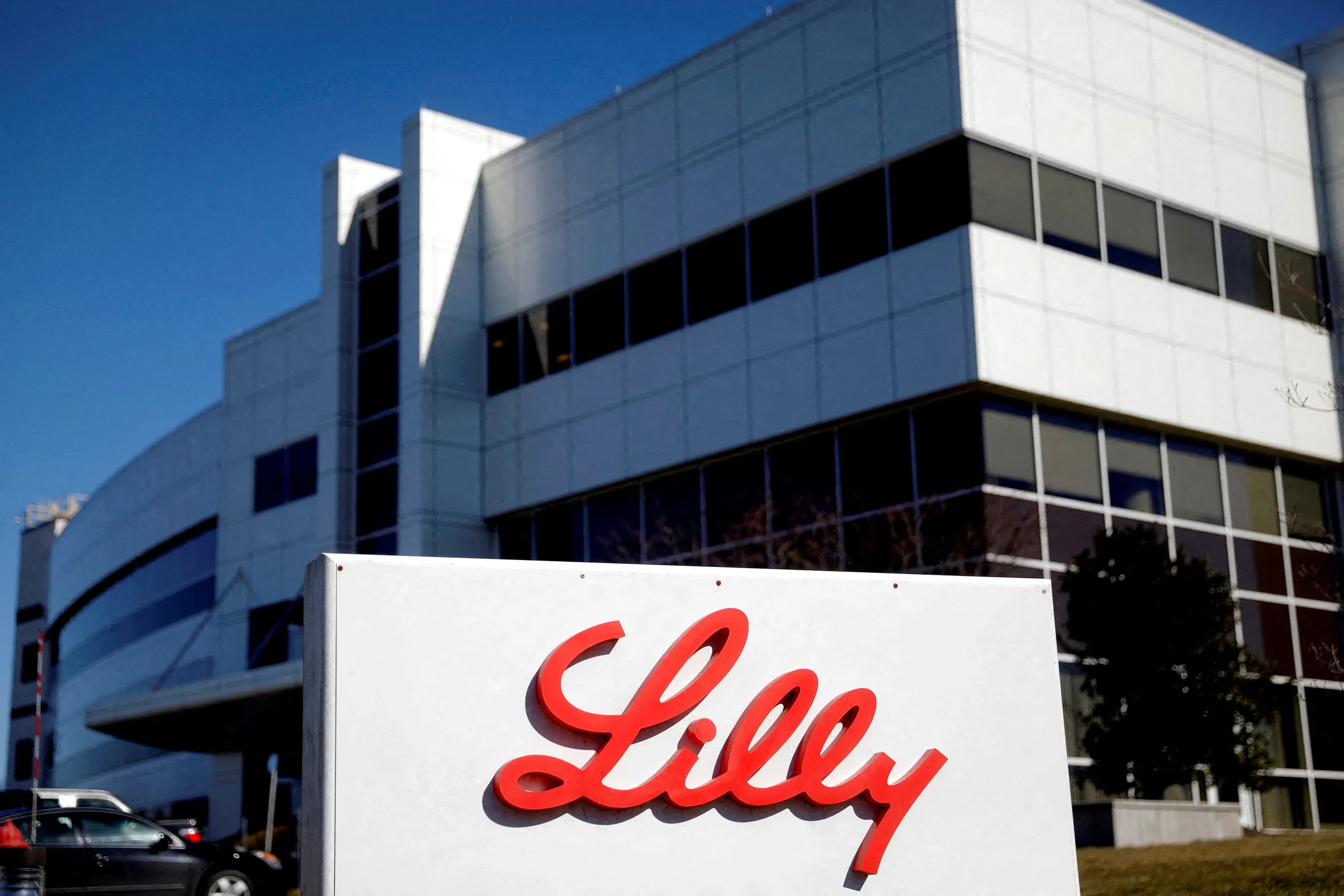
Eli Lilly and Formation Bio are advancing AI-enabled discoveryfrom two angles. Lilly is opening TuneLab, an AI platformtrained on >$1B of data from “hundreds of thousands” ofmolecules, accessed from partners like Circle Pharma andinsitro. Formation Bio recently expanded it’s leadership teamwith former top 20 pharma executives to accelerate AI-drivendrug development. Formation Bio has created an AI-poweredmodel that acquires under-prioritized drug assets andaccelerates their development with greater efficiency, lowercosts, and faster delivery of new medicines to patients.

Insilico Medicine recently published the results of a Phase IIA trial forRentosertib, in Nature, which showed a +98.4 mL FVC gain vs. −20.3 mL vs.placebo over 12 weeks with a manageable safety profile (71 patients, 22 sites).Exploratory biomarkers aligned with the mechanism (TNIK inhibition),supporting the dose-response observed. As the first clinical proof-point for anAI-discovered therapeutic, this positions the asset for larger trials and potentialpartnering, with value inflection tied to durability and scale of effect.

Recent industry analyses project a multibillion-dollar impact for AI in healthcare,primarily through reduced R&D timelines (up to ~40% faster to PCC) and costs(~30% lower), while also improved clinical execution via decentralization, EHRbased eligibility matching, and digital twins. Forecasts place the AI-in-pharmamarket near $1.9B in 2025 with strong CAGR through 2034, as near-termexpenditures center on operational levers that shorten cycle time and reducerisk involved with early-stage asset development.

As AI innovation soars across the landscape, recent investments havebeen concentrated on “agent” platforms and other access-enabling tools.EliseAI, a startup automating healthcare front-desk and call centeroperations, recently raised $250M (Series E) on the promise of saving 2-3hours saved per staffer/day, and up to 25% overhead reduction. HelloPatient raised $22.5M (Series A), scaling HIPAA-compliant voice/text/chatagents handling 10k–20k daily provider-patient conversations.Surrounding infrastructure is scaling too: Develop Health raised $14.3M fortheir prior auth automation, Twin Health raised $53M for a metabolicdigital twin, and Eyebot raised $20M for self-service vision kiosks.
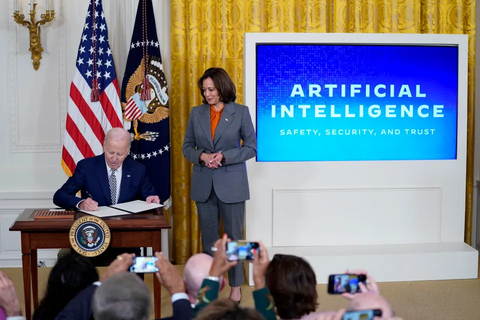
The Coalition for Health AI (CHAI) and the Joint Commission, one of the largestaccreditors of hospital and health systems nationally, recently released theResponsible Use of AI in Healthcare (RUAIH) guidance to set hospitalexpectations for AI. The guidance includes formal governance, patientdisclosure & consent, HIPAA-grade security, vendor transparency on validation& bias, and will be further reinforced through workshops, webinars, and acertification program for hospitals through the Joint Commission.


Get expert analysis, industry trends, and exclusive updates delivered straight to your inbox. Stay ahead of the curve with valuable insights that drive success.