MELANOMA
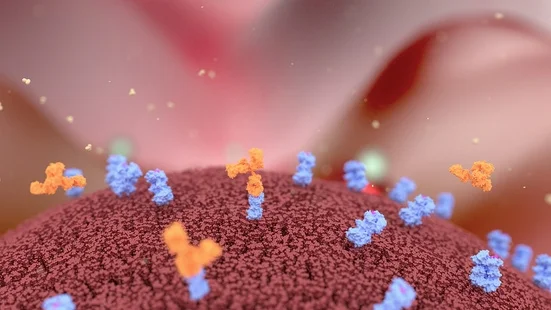
During ASCO 2024, BMS released the results of the NADINA trial showingneoadjuvant immunotherapy (nivolumab + ipilimumab) followed by responseguided adjuvant therapy significantly reduced recurrence and clinical eventscompared to adjuvant therapy alone in resectable stage 3 melanoma. Theneoadjuvant strategy resulted in a 68% improvement in event-free survival, with60% of patients achieving a major pathologic response.

PANCREATIC CANCER
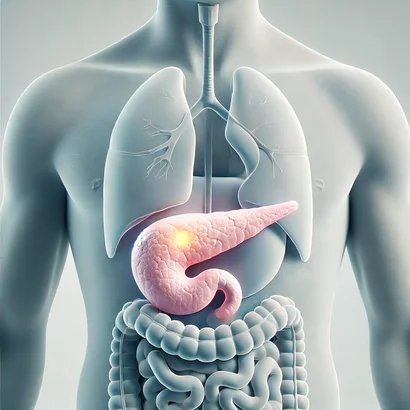
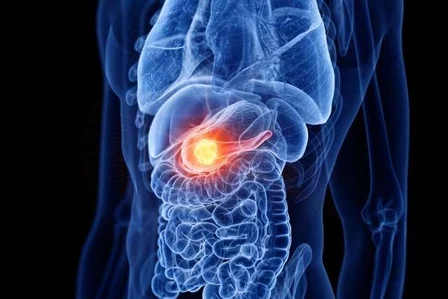
The phase 1b/2 OPTIMIZE-1 study, conducted byAlligator Bioscience, released positive results at ASCOfor the combination of the investigational CD40 agonistmitazalimab with modified FOLFIRINOX in previouslyuntreated metastatic pancreatic ductaladenocarcinoma. The study met its primary endpointwith a confirmed overall response rate of 40.4%, whichwas higher than historical controls. The "priming" doseof mitazalimab before chemotherapy, followed by asecond dose after, also presented a unique sequencingapproach for the combination of immuno- andchemotherapies.
CARCINOMA
BMS presented at ASCO 2024 to release the results ofanother trial for their dual immunotherapy, the Phase 3CheckMate-9DW trial, which demonstrated that thecombination of Opdivo (nivolumab) plus Yervoy(ipilimumab) significantly improved overall survivalcompared to lenvatinib or sorafenib as first-linetreatment for patients with unresectable hepatocellularcarcinoma (HCC). The combination showed a median overall survival of23.7 months versus 20.6 months for the control group,and more than doubled the objective response rate(36% vs 13%).
PROSTATE CANCER
J&J presented the results of the first-in-human study ofJNJ-6420, a new radioligand therapy targeting hK2, atASCO, and showed promising efficacy in treatingmetastatic castration-resistant prostate cancer(mCRPC). The therapy demonstrated deep and lastingresponses after just 1-2 doses, with an objectiveresponse rate of 18% and a confirmed PSA50 responseof 44% at the 250 μCi dose level. However, the studyalso revealed some negative safety considerations,particularly interstitial lung disease (ILD) andthrombocytopenia at higher cumulative doses.

CARCINOMA
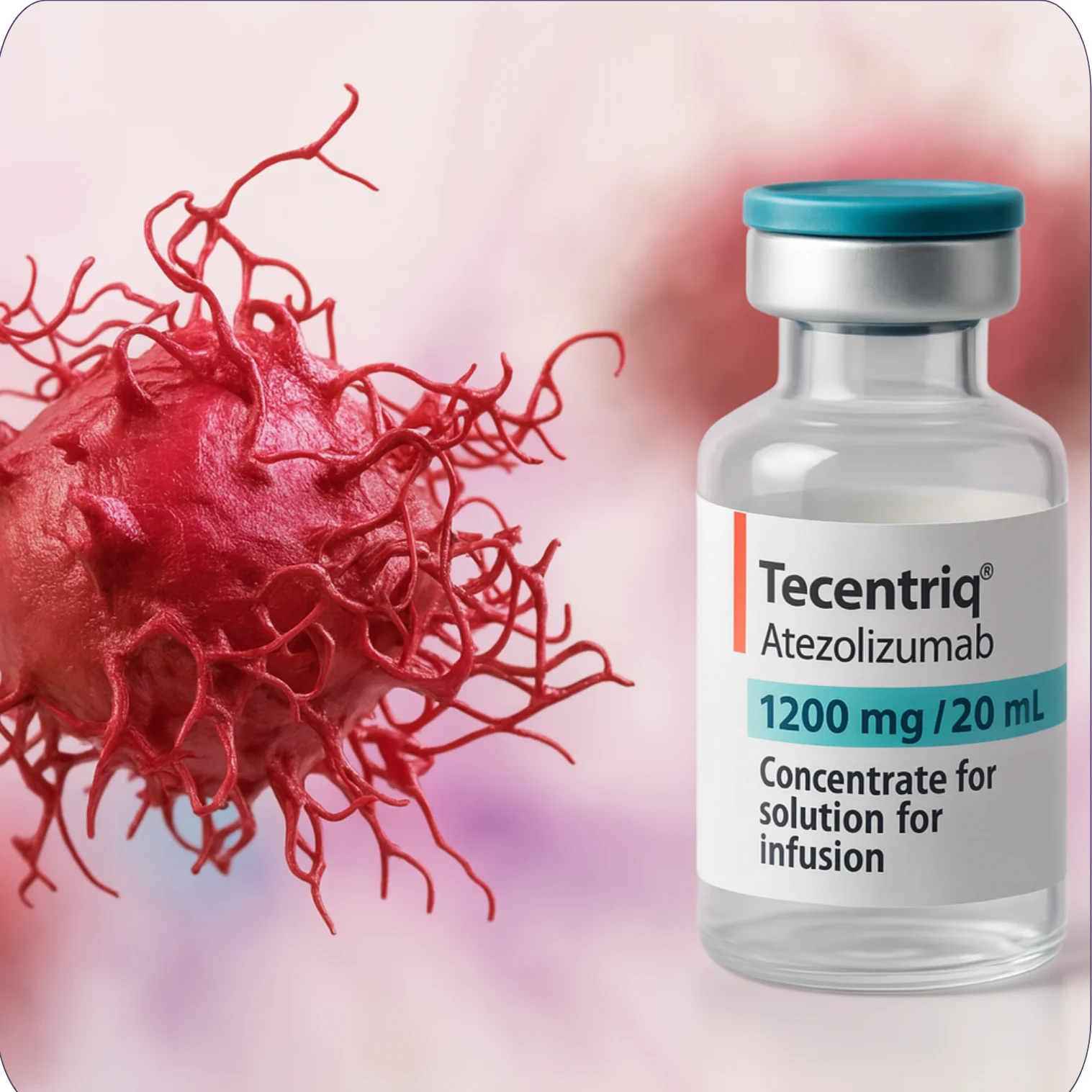
The retrospective analysis of the IMmotion010 trialpresented by Roche at ASCO 2024 suggests that KIM1 levels may serve as a promising biomarker in renalcell carcinoma (RCC). High KIM-1 levels correlatedwith beneficial effects of atezolizumab in the study,indicating its potential as a clinical tool for guidingadjuvant therapy in RCC. While the trial showed nosignificant overall difference in disease-free survivalbetween adjuvant atezolizumab and placebo, patientswith high baseline KIM-1 levels showed improveddisease-free survival with atezolizumab.
MULTIPLE MYELOMA
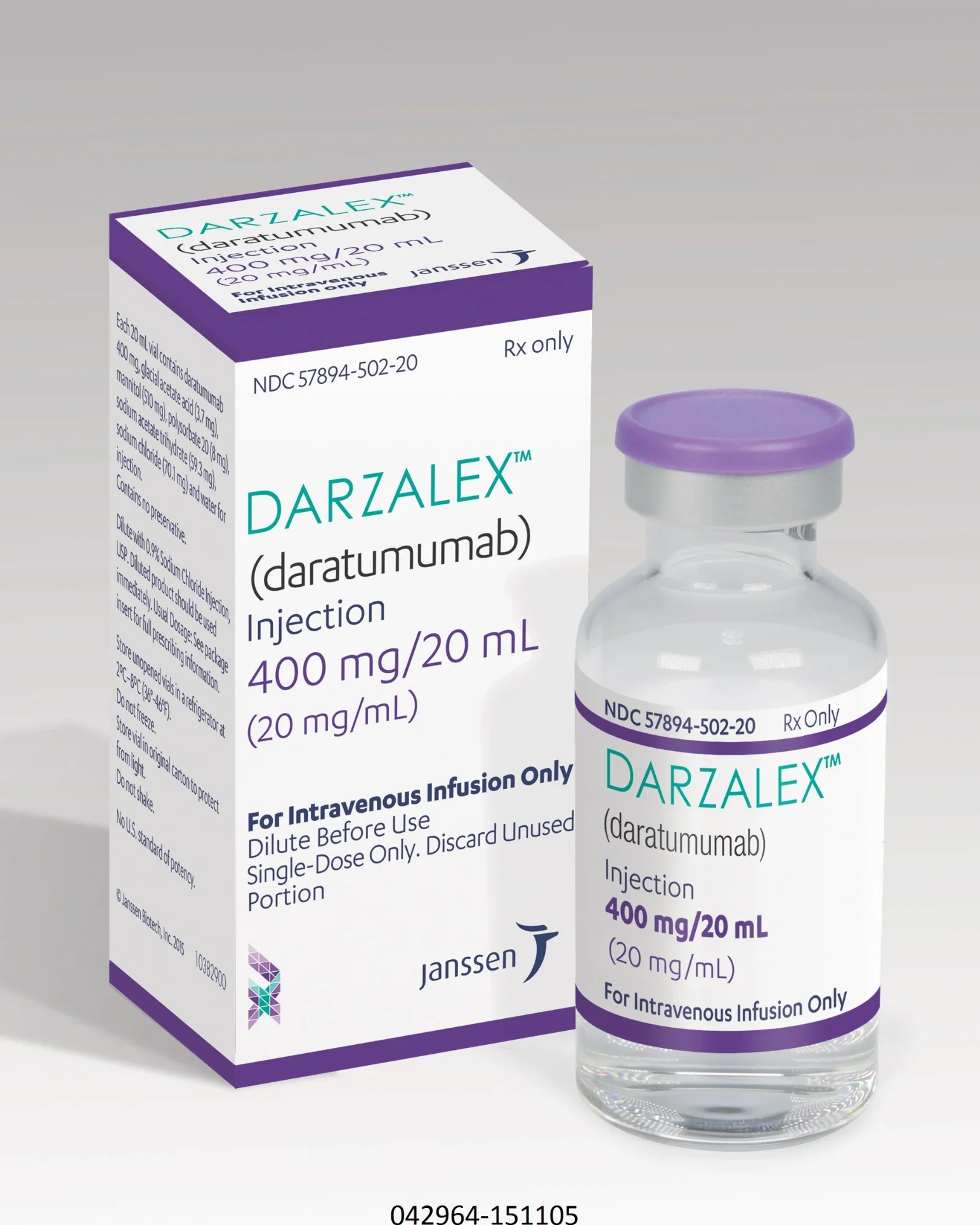
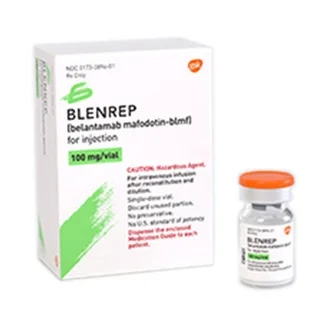
The results of the DREAMM-8 phase 3 trial, presentedby GSK at ASCO, showed that Blenrep (belantamabmafodotin) in combination with pomalidomide anddexamethasone significantly improved progression-freesurvival compared to a standard of care combination inrelapsed/refractory multiple myeloma patients. TheBlenrep combination reduced the risk of diseaseprogression or death by nearly 50%, with median PFSnot reached at 21.8 months at follow-up versus 12.7months for the standard combination.


Get expert analysis, industry trends, and exclusive updates delivered straight to your inbox. Stay ahead of the curve with valuable insights that drive success.