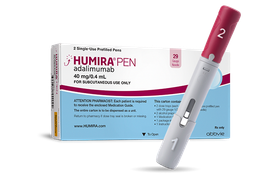
Companies from BMS to AbbVie outlined strategies at JPM25 to counterrevenue declines from upcoming patent expirations. BMS expects Revlimidsales to drop by up to $2.5 billion in 2025 due to generics, while Pfizerprojects a $17–18 billion annual loss from 2026 to 2028 across multipleproducts. After HUMIRA lost exclusivity in 2023 and saw a 32% sales drop,AbbVie pivoted to Skyrizi and Rinvoq, which captured ~50% of the IBD market,adding $5 billion in 2024. Similarly, BMS is investing in 40+ late-stage assets,Pfizer acquired Seagen for $43 billion, and Merck is expanding its pipelinewith nearly triple the number of Phase 3 assets and $40 billion in investments.

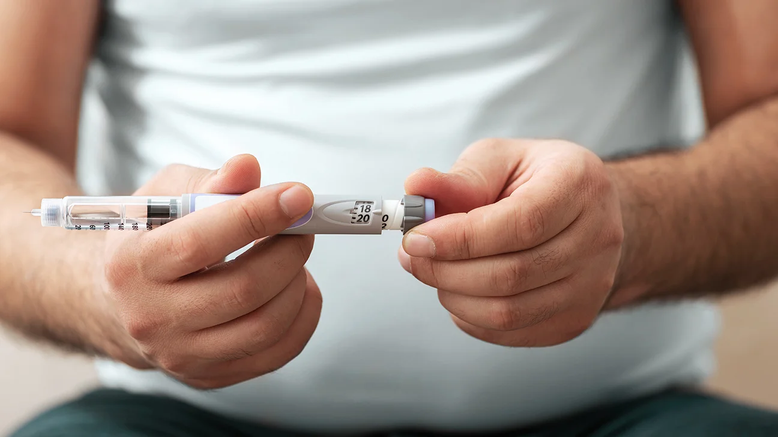
At JPM25, Eli Lilly and Amgen highlighted advancements in their GLP-1pipeline, signaling market growth through new agents and pricingstrategies. Amgen presented results from its Phase 2 trials for MariTide, aonce-monthly injectable semaglutide biosimilar, which achieved up to 20%average weight loss in patients without type 2 diabetes (T2D) and up to17% weight loss plus a 2.2% reduction in HbA1c among those with T2D.Concurrently, Eli Lilly received EMA approval for tirzepatide, a onceweekly GLP-1 receptor agonist that outperformed Trulicity in reducingHbA1c and body weight based on the QEXIS trial. Additionally, Eli Lilly isexpanding its portfolio with new weight-loss treatments like orforglipronand retatrutide, while implementing an annual price increases of 3–7% onseveral drugs to maintain its market position.
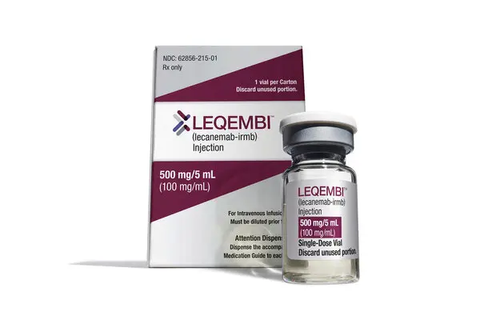
Biogen announced FDA accepted the BLA for a new mechanism of deliveryfor its Alzheimer's treatment, Leqembi, at JPM25. The introduction of asubcutaneous autoinjector, which has a FDA PDUFA date set in August2025, aims to simplify patient treatment by reducing reliance on intravenousadministrations, thereby enhancing clinical efficiency and broadeningLeqembi's market reach. This is the latest development in Biogen's effort tocompete in the expanding market for innovative Alzheimer's treatments,which began with Leqembi's initial global launch in 2023.
Pfizer announced at JPM25 that it has achieved its $4 billion goal for net costsavings in 2024 and plans to save an additional $500 million in 2025 to fundits reorganized R&D, focusing on cancer and metabolic diseases. Thecompany projects 2025 revenues between $61 billion and $64 billion,prioritizing oncology assets like the CDK4 inhibitor PF-07220060 and thePhase 3 monoclonal antibody Elrexfio for multiple myeloma. Additionally,Pfizer is entering the metabolic market with its oral GLP-1RA danuglipron,aiming to closely compete with Eli Lilly in this space.

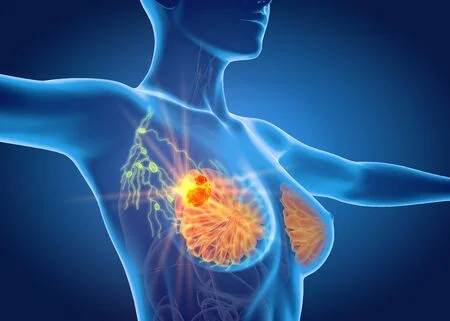
Several global pharmaceutical companies announced enhancements totheir oncology and neuropsychiatry portfolios at JPM25 throughacquisitions of smaller biotechs. GSK is set to acquire IDRx for up to $1.15billion, integrating IDRX-42, an asset which achieved a 29% objectiveresponse rate in advanced gastrointestinal stromal tumor patients. Eli Lillypublicized its purchase of Scorpion Therapeutics for up to $2.5 billion toobtain STX-478, targeting 30-40% of hormone-positive breast cancercases, and Johnson & Johnson is acquiring Intra-Cellular Therapies for$14.6 billion, adding Caplyta, a treatment for schizophrenia and bipolardisorders with over $5 billion in peak sales potential.
NVIDIA announced several new partnerships at JPM25 to advance drugdevelopment efforts through specialized AI tools, headlined by acollaboration with IQVIA to develop models focused on optimizing siteselection and participant recruitment to reduce clinical developmenttimelines. Illumina is integrating its DRAGEN-powered multiomics withNVIDIA’s BioNeMo AI models to enhance drug target identification, whileMayo Clinic is utilizing 20 million digital pathology slides to develop a modelwith NVIDIA to digitize diagnostics in the hopes of accelerating andincreasing precision in disease identification for patients.


Get expert analysis, industry trends, and exclusive updates delivered straight to your inbox. Stay ahead of the curve with valuable insights that drive success.