EARLY ALZHEIMER'S DISEASE
Eli Lilly's Kisunla has been approved by the FDA to treat early symptomaticAlzheimer's disease. Phase 3 data demonstrated that Kinsula significantly slowscognitive and functional decline by up to 35% over 18 months and reduced amyloidplaques by 84% on average. Results indicated that patients had up to a 39%reduced risk of progressing to more advanced stages of the disease, with nearlyhalf completing their treatment in just 12 months.

DIAGNOSTIC INNOVATION
Advancements in Alzheimer's diagnostics are on the horizonwith two studies highlighting high accuracy in blood tests,providing a less invasive alternative to current diagnosticmethods. Sunbird Bio's blood-based tau biomarkertechnology demonstrates a 92% correlation with PET scans,efficiently detecting tau aggregation in the brain.PrecivityAD2's blood test shows a 91% diagnostic accuracy,exceeding the performance of standard clinical evaluationsthat hover around 61-73%. Both studies presented at AAIC2024 underscore the potential for blood tests to replace orsupplement PET and CSF tests, potentially improving earlydiagnosis, patient outcomes, and streamlining diagnosticprocesses in both primary and specialist care settings.
REGULATORY DECISIONS
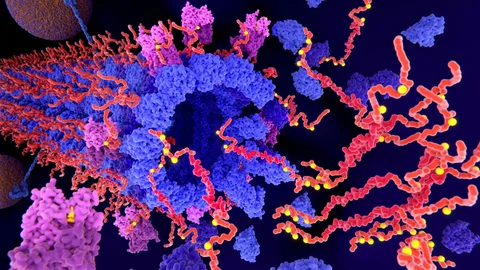
The FDA has granted approval for Alpha Cognition’sZUNVEYL, previously known as ALPHA-1062, as atreatment for mild-to-moderate Alzheimer's disease. ZUNVEYL is the first treatment to addressAlzheimer's without being absorbed through the GItract and has a dual mechanism of action as acholinesterase inhibitor and allosteric potentiator topromote activity of acetylcholine in the brain whichis important for memory, motivation, and attention.Following the administration of the drug, only 0.06%of a 24mg dose of benzgalantamine reachessystemic circulation, effectively bypassing the gutand reducing side effects.
REGULATORY DECISIONS
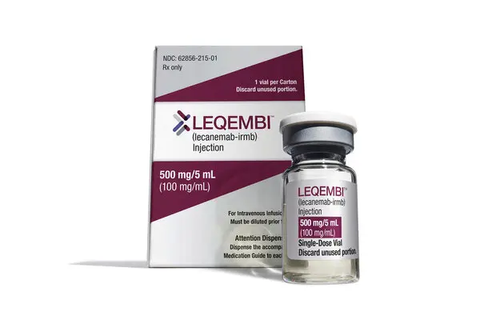
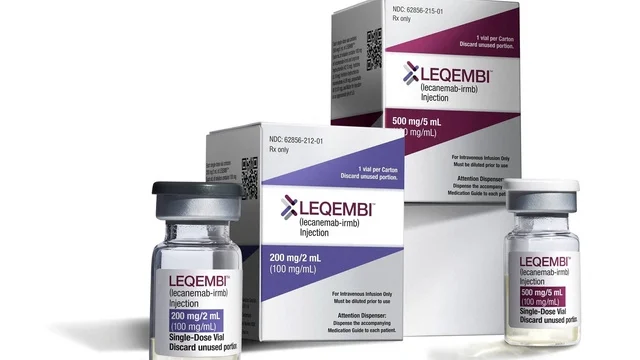
The European Medicines Agency's Committee forMedicinal Products for Human Use (CHMP) hasrecommneded against granting marketing approval forEisai and Biogen’s Alzheimer's drug, Leqembi, due tosignificant safety concerns and its marginal benefit inslowing cognitive decline. Clinical trials showed the drugslowed cognitive decline by 27% among early-stageAlzheimer's patients, but the CHMP decision notedcases of brain swelling, and found its impact on memoryand problem-solving to be minimal. Despite receivingaccelerated approval in the US for early-stage AD, thetherapy's US launch has also faced hurdles like requisitediagnostic tests and regular brain scans.

MARKET DYNAMICS
Asceneuron has secured $100 million in Series Cfunding to advance their oral OGA inhibitor ASN51 intoa Phase 2 Alzheimer's trial. The funding round, led byNovo Holdings, comes with the aim to compete withindustry giants Eli Lilly and Biogen in the tautargeting therapeutic space. Lilly's LY3372689 andBiogen's BIIB113 both deviate from the typicalamyloid-targeting treatments available on the market,and are in Phase 1 and Phase 2 clinical trials,respectively. Asceneuron will evaluate ASN51 in directcompetition with these tau-targeting treatments, andwill also pursue additional indications, such asParkinson's and amyotrophic lateral sclerosis.

MARKET DYNAMICS
AbbVie is ending development of ABBV-916 as amonotherapy for Alzheimer's due to its inability to dedifferentiated from approved treatments. The decisionfollows an interim analysis of a Phase 2 studyinvolving 195 participants, which showed similarefficacy and safety profiles to existing therapies, suchas Eli Lilly’s donanemab and Eisai / Biogen’s Leqembi.Despite discontinuing ABBV-916, AbbVie is exploringcombination treatments and remains invested inneuroscience, including an $8.7 billion acquisition ofCerevel Therapeutics.


Get expert analysis, industry trends, and exclusive updates delivered straight to your inbox. Stay ahead of the curve with valuable insights that drive success.