SCHIZOPHRENIA
Bristol Myers Squibb's newly FDA-approved COBENFY introduces anovel agonist mechanism for treating schizophrenia, marking thefirst new class of medication for this condition in decades. Thetreatment selectively targets M1 and M4 receptors in the brainwithout blocking D2 receptors. It demonstrated statisticallysignificant reductions in schizophrenia symptoms in Phase 3 trials,with a 9.6-point and an 8.4-point reduction in the PANSS total scorecompared to placebo at week five. The announcement led to a 20%jump in BMS’ stock, indicative of the potential impact the approvalwill have on the market landscape.


SCHIZOPHRENIA
Results from Anavex Life Science's Phase 2 study ofANAVEX 3-71 for schizophrenia E3 were released earlierthis month, demonstrating a dose-dependent impact onEEG biomarkers - 40 Hz ASSR ITC and Resting StateAlpha Power - indicative of improved neuralsynchronization and sensory gating. The treatmentdemonstrated positive effects on schizophrenia symptomswithout severe side effects, a challenge faced by existingtreatment options. ANAVEX 3-71’s novel mode of actioncould address all symptomatic domains of schizophrenia,and will be further explored through Part B of the studyexpected to be completed in early 2025.
SUBSTANCE USE DISORDERS
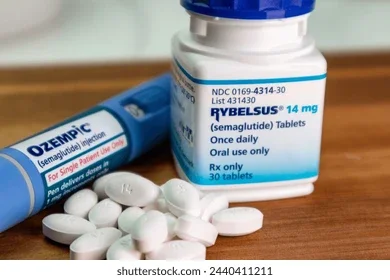
Recently published results from an academicretrospective cohort study demonstrated that GLP-1treatments had a significant impact on substanceuse disorders. The study of over 100 million patients found thatpatients with GIP/GLP-1 RA prescriptions had apositive effect for patients with comorbid opioid andalcohol use disorders. This effect was measuredthrough lower rates of opioid overdose (aIRR 0.60,95% CI 0.43–0.83) and alcohol intoxication (0.50,95% CI 0.40–0.63) among patients treated for type2 diabetes and obesity with GIP/GLP-1 receptoragonists compared to patients without.

ALTERNATIVE TREATMENTS
Boehringer Ingleheim recently released results from itsPhase 2 study evaluating the effects of ketamine on brainactivity during negative emotional processing and how theseeffects are influenced by lamotrigine, which inhibitsglutamate release. In a randomized controlled trial with 75healthy subjects, acute ketamine administration was foundto decrease activity in the hippocampus and Default ModeNetwork (DMN) while increasing fronto-limbic coupling;these effects were modulated by lamotrigine. Ketamine'ssustained impact was a notable reduction in posterior DMNactivity 24 hours post-administration, an effect alsomitigated by lamotrigine pre-treatment.

MAJOR DEPRESSIVE DISORDER
In a recently completed Phase 2a study, Supernus’experimental therapy, SPN-820, successfullydemonstrated a “rapid and substantial” effect inadults with major depressive disorder (MDD).Compared to most currently availableantidepressants, like SSRIs, which can takeseveral weeks to show noticeable effects, SPN820’s mode of action acts within hours. Althoughthe small trial demonstrated promising results,additional, higher-powered studies are necessaryfor drug approval.

ALTERNATIVE TREATMENTS
Exploration of psilocybin as an alternative treatment for mentalhealth conditions has expanded globally, with advances made inclinical research globally. In Australia, Psyence Biomedical hasexpanded its Phase 2b trial for a psilocybin-based treatmenttargeting Adjustment Disorder in palliative care. This study isaiming to launch patient recruitment by December and projectstopline data for 2025. The UK's National Institute for HealthResearch recently announced funding for a study to investigatepsilocybin’s effect on opioid addiction relapse rates. US-basedAJNA BioSciences recently publicized their efforts to overcomeone of the biggest challenges hindering the use of psychedelics -the variability in the biology of the raw materials - in pursuit ofFDA approval for their psilocybin-derived antidepressant.


Get expert analysis, industry trends, and exclusive updates delivered straight to your inbox. Stay ahead of the curve with valuable insights that drive success.