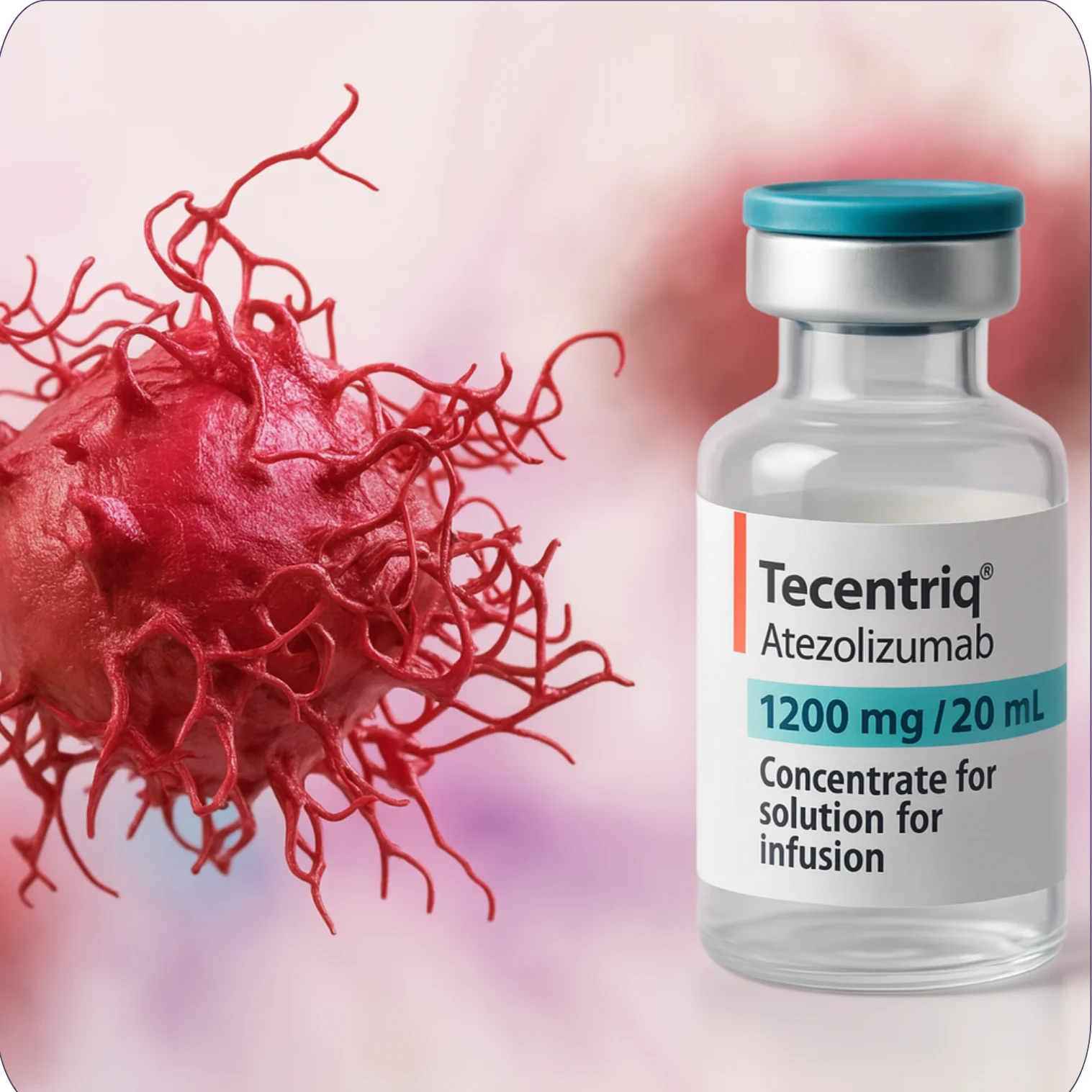
Results from the ATOMIC trial demonstrated the addition of TECENTRIQ(atezolizumab) to FOLFOX chemotherapy significantly improved disease-freesurvival in patients with stage III dMMR colon cancer, cutting the risk ofrecurrence or death by 50% compared to chemo monotherapy. The 36-monthdisease-free survival rate rose to 86.4% versus 76.6% with chemotherapy alone,although grade 3/4 fatigue and leukopenia increased, potentially affectingpatient quality of life. Nevertheless, the risk reduction and 36-month DFSdemonstrate notable improvements upon the current adjuvant standard of care.


AstraZeneca presented results from the SERENA-6 trial inHR-positive/HER2-negative advanced breast cancer,monitoring ESR1 mutations via ctDNA to prompt an earliertreatment switch (from aromatase inhibitor to camizestrantplus CDK4/6 inhibitor). This strategy prolonged medianprogression-free survival from 9.2 to 16.0 months andcutting progression risk by 56%. Although the studydemonstrated grade ≥3 adverse events in 60% of patients,only 1.3% of patients discontinued treatment, providing acomplex safety story for AstraZeneca to address as theyseek FDA approval.
In findings from Takeda and Protagonist Therapeutics' Phase III VERIFYtrial, rusfertide more than doubled the clinical response rate inpolycythemia vera patients (76.9% vs. 32.9%), reduced phlebotomy needsby 65% (27% vs. 78%), and increased hematocrit control under 45% in62.6% of subjects (vs. 14.4%). The trial also showed significantimprovements in patient-reported fatigue and symptom burden, noserious treatment-related adverse events, and a favorable safety profile.

Bristol Myers Squibb shared an exploratory machine-learning analysis of thePhase III CheckMate 9ER trial, integrating > 4,000 tumor and circulatingbiomarker measurements into a 10-feature model that outperformed any singlebiomarker for predicting benefit from OPDIVO (nivolumab) + CAВOMETYX(cabozantinib). The parent study nearly doubled median PFS to 16.4 monthsand extended OS to 46.5 months; the new algorithm could help identify patientsmost likely to enjoy those gains while sparing others unnecessary toxicity.

Astellas and Seagen presented 29-month follow-up data from the PhaseIII EV-302 trial, confirming that PADCEV (enfortumab vedotin) +pembrolizumab delivered a median OS of 33.8 months versus 15.9 monthswith chemotherapy, doubled median PFS to 12.5 months, and produced a70% overall response rate. Although ≥ grade 3 adverse events occurred inup to 71% of patients, no treatment discontinuations were reported,reinforcing a manageable safety profile. Additional analysis demonstratedconsistent efficacy across all patient subgroups, including those withlymph node-only disease, visceral metastases, and liver metastases.

Interim results from the global Phase III MATTERHORN trial demonstrated thatadding the PD-L1 inhibitor IMFINZI (durvalumab) to perioperative FLOTchemotherapy reduced the risk of recurrence or death by 29% in patients withstage II-IVA gastric or gastroesophageal junction cancer. 12- and 24-monthevent-free survival rates improved to 78.2% and 67.4% versus 58.5% with FLOTalone, with a comparable safety profile. The findings promise patients betterchances of durable remission after surgery and bolster AstraZeneca's bid toextend durvalumab into curative settings.


Get expert analysis, industry trends, and exclusive updates delivered straight to your inbox. Stay ahead of the curve with valuable insights that drive success.