Roche has announced a $50 billion U.S. investment over five years, including anew 900,000-square-foot manufacturing facility for next-generation weight loss medications and expansions in gene therapy and glucose monitoring device production, in response to persistent threats of U.S. pharmaceutical tariffs and shifting global supply chain risks. This move will add approximately 1,000 jobs toRoche's current U.S. workforce of over 25,000 across 24 sites, and will significantly boost R& D capabilities in multiple states, expanding on a newlydisclosed cardiovascular, renal, and metabolism R& D center in Massachusetts.


Pfizer CEO Albert Bourla said in a recent speech thatuncertainty over President Trump's planned pharmaceutical tariffs is already costing the company $150 million and included in its full-year guidance, is deterring further U.S. manufacturing and R& D investments. He added that the newly imposed globalminimum tax of about 15% has somewhat reduced incentives tooffshore production but stressed the U.S. still needs clearertariff policies or cuts to spur "tremendous" domestic investment. Although Pfizer maintained its earnings outlook,Bourla cautioned that any additional trade-policy shifts could raise costs and force a reevaluation of its R& D expansion plans.
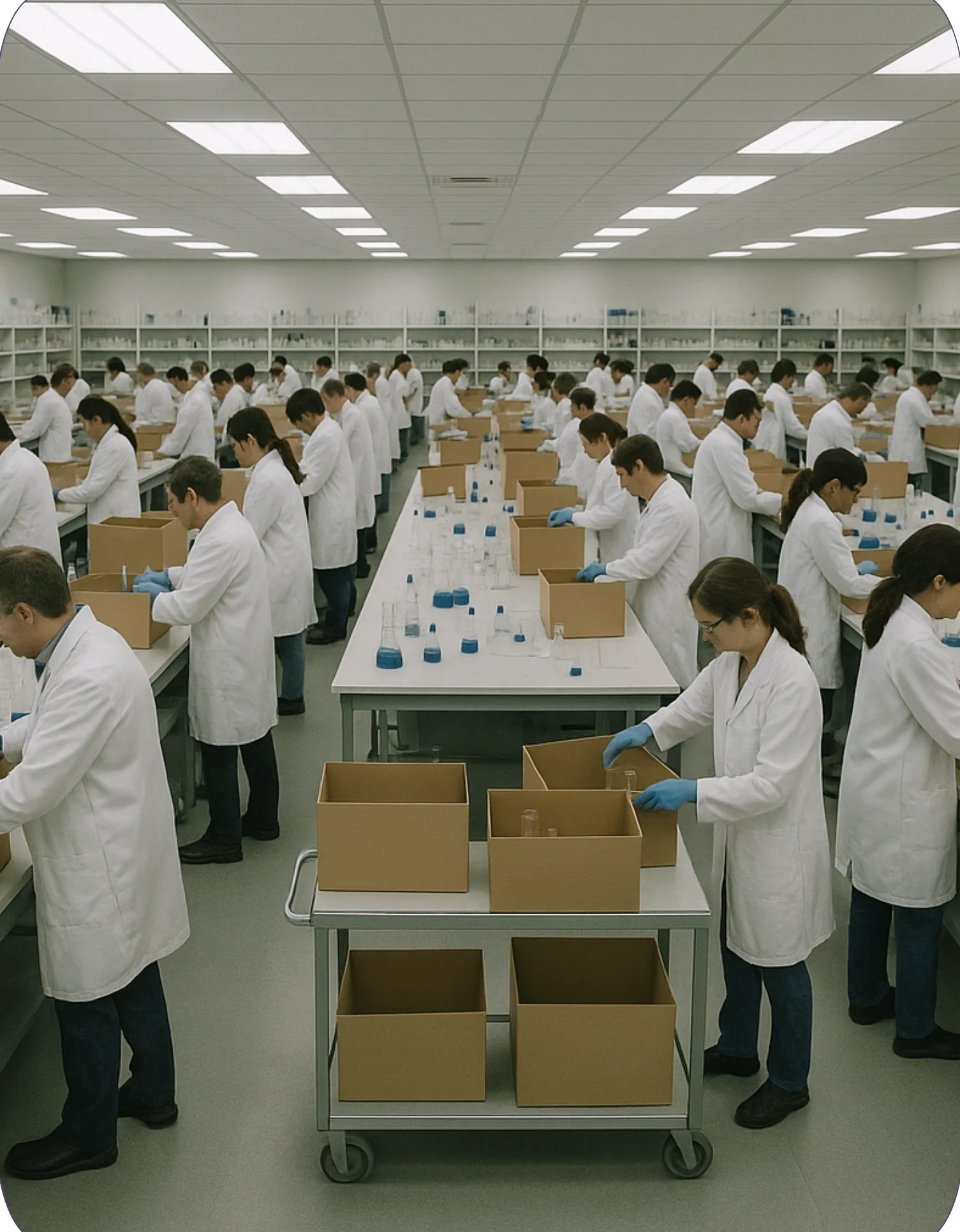
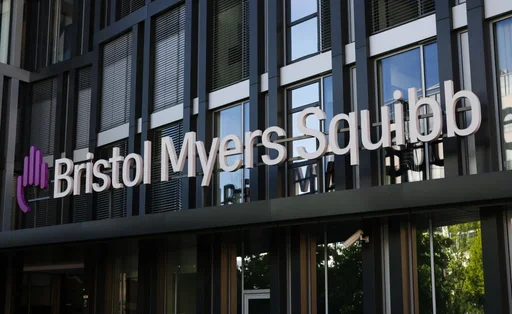
Several major pharmaceutical manufacturers are reshaping cost structures and production footprints in response to escalating tariff pressures. BMS recentlybuilt a "cushion" into its planning to address tariffs and potential FDA restructuring, raising its cost-cut target to $2 billion by 2027 as it leans onlaunches like Cobenfy to offset aging blockbusters such as Eliquis. Merck took a direct $200 million hit from levies between the U.S. and China, trimmed its 2025EPS outlook and is investing $21 billion in U.S. manufacturing through 2028 toshield Keytruda from future trade barriers and its impending patent cliff.

AbbVie recently announced plans to invest $10 billion in the U.S. through 2035,partly to build four new domestic manufacturing facilities in response to potential pharmaceutical import tariffs and shifting trade policy. While AbbVie'srevenues in the first quarter rose by 8.4% year-over-year to $13.34 billion, led by Skyrizi's $3.43 billion and Rinvoq's 57% growth to $1.7 billion, sales of itsformer blockbuster, Humira, fell by 50% to $1.12 billion due to biosimilarcompetition through loss of exclusivity.
A new industry-commissioned report by Ernst & Young revealed thatimposing a 25% tariff on pharmaceutical imports could elevate annual U.S. drug expenditures by nearly $51 billion, potentially increasing prices by as much as 12.9% for American consumers. The United Statesimported $203 billion worth of pharmaceuticals in 2023, with 73% of imports from European nations, primarily Ireland, Germany, and Switzerland; around 30% of these imports consisted of ingredients for domestic manufacturing. Additionally, tariffs would raise domestic production costs by 4.1%, hurting global competitiveness and potentiallyendangering some of the industry's 490,000 export-related jobs.

Novartis CEO Vas Narasimhan warned in a recent speech that adopting a "MostFavored Nations" rule to align U.S. drug prices with lower international rates would force pharma companies to reassess their medium-to-long term outlook and risk devastating R& D investment. The company has already pledged $23billion over five years to U.S. manufacturing, aiming for 100% of key products produced domestically, and downplayed tariff impacts compared with pricingthreats. Narasimhan and peers are urging the EU to raise drug prices, notingthat capped growth, low launch prices, and penalized indications have led to30% of new medicines being delayed or not launched in Europe.


Get expert analysis, industry trends, and exclusive updates delivered straight to your inbox. Stay ahead of the curve with valuable insights that drive success.