Facing a sharp revenue decline after Entresto lost U.S. exclusivity in July, Novartis has moved aggressively to restock its pipeline, highlighted by a $12B acquisition of Avidity Biosciences. The deal brings a novel platform for antibody-targeted RNA therapeutics and an advanced Duchenne muscular dystrophy program with an FDA decision anticipated in late 2025. This move follows additional neuroscience andcardiometabolic expansions, including the purchase of Tourmaline Bio's Phase II asset pacibekitug and new RNA-based partnerships with Arrowhead and Argo.

With semaglutide set to lose patent protection in India in March2026, the GLP-1 landscape is preparing for substantial genericentries, with multiple domestic manufacturers readying low-costformulations expected to price at a fraction of the originator.Anticipating this shift, Novo Nordisk has implemented price reductions of up to 37% for Wegovy, materially lowering monthly therapy costs in a market where affordability will stronglyinfluence treatment uptake. The adjustment positions Novo toretain share during a period of heightened price sensitivity and signals an effort to recalibrate expectations ahead of astructurally lower post-exclusivity pricing environment.

FDA Commissioner Marty Makary recently proposed treating biosimilars more like generics, accepting analytical comparability and dropping most "switching"trials, which could halve development time, save up to $100 million per product and lower prices by up to 90% as early as 2026. At the same time, officials saythe U.S. Patent and Trademark Office (USPTO) is working to effectivelycounteract these policies by denying most inter partes review (IPR) requestswith stricter rules, and contributing to a "patent thicket" that makes challenges10-20x more expensive than in Europe, delaying market entry for biosimilars.
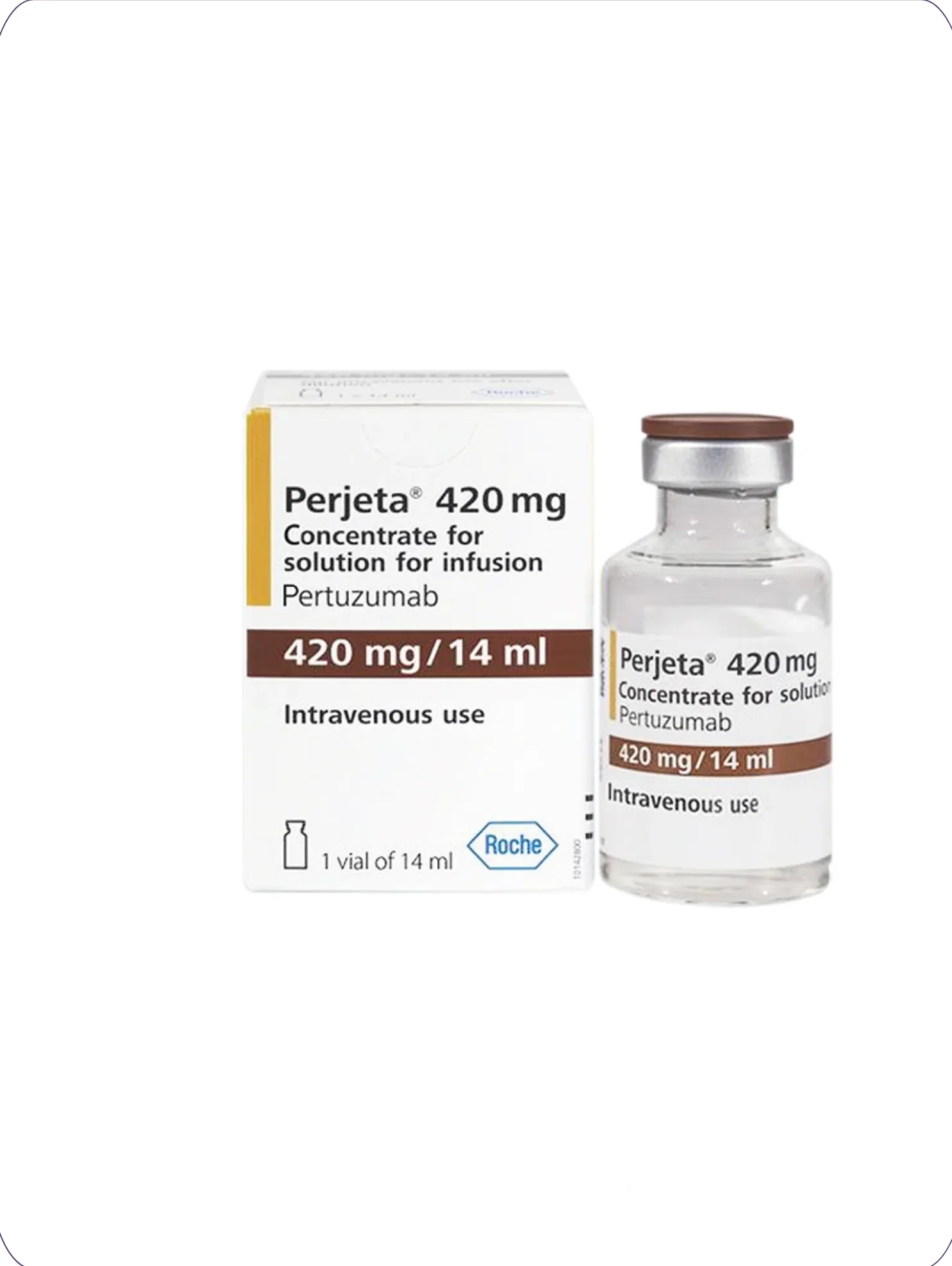
The FDA recently approved Poherdy as an interchangeable biosimilar to Roche'sPerjeta for all existing HER2-positive breast cancer indications, shortly afterPerjeta's primary patents expired and as Roche continues shifting patients to itsfixed-dose Phesgo combination. Perjeta revenue has already declined 13percent year over year in the first nine months of 2025, and additionalpertuzumab biosimilars are advancing as the FDA pursues policies intended to reduce development costs for future entrants.
Merck recently announced a nearly $9.2 billion acquisition of Cidara Therapeutics,adding CD388, a long-acting, strain-agnostic antiviral now in a 6,000-patient Phase III trial designed to prevent influenza infection in high-risk individuals.CD388, which holds FDA Breakthrough and Fast Track designations, previously demonstrated a 76 percent reduction in symptomatic influenza over 24 weeks in amid-stage study and aims to provide season-long protection in a single dose. The deal follows a string of acquisitions as the company prepares for late-decade loss of exclusivity for Keytruda, including the ~$10B purchase of Verona Pharma for its first-in-class COPD therapy and ~$11.5B purchase of cardiopulmonary therapy manufacturer Acceleron Pharma.

Regeneron recently settled its patent litigation with Celltrion, clearing the way for the launch of another Eylea biosimilar in 2026. The agreement voids afederal court injunction from July 2024 and follows a similar settlement with Sandoz, marking the second resolution in recent months as the FDA has already approved five Eylea biosimilars, including Amgen's first-to-market product. These developments arrive as Regeneron's Eylea franchise, which generated $5.97 billion in revenue last year, faces declining performance, with Q2 sales down 25% year over year.


Get expert analysis, industry trends, and exclusive updates delivered straight to your inbox. Stay ahead of the curve with valuable insights that drive success.