UVEITIS
A study led by scientists at Stanford University presented at ARVO 2024evaluated ChatGPT 4.0 as an online education resource for patients with uveitis.Standard ChatGPT responses were compared against information from topwebsites including the National Health Service, Cleveland Clinic, and Healthline,and specialists deemed the AI-generated responses to be comprehensive and accurate, with additional flexibility to tailor information to the education level of each patient.


GEOGRAPHIC ATROPHY
Technological innovation in healthcare was a major topic at ARVO 2024, highlighted by the presentation of a deep learning model for geographic atrophy segmentationadaptable to swept-source optical coherence tomography(SS-OCT) and spectral domain OCT (SD-OCT) data. Through analysis of OCT images, the model achieved high sensitivity(99%) and specificity (93%), with a differential scanningcalorimetry of 0.92 compared to ground truth data,demonstrating promise as a tool to segment, monitor anddetect GA.

GEOGRAPHIC ATROPHY
Apellis presented the 36-month results of the GALEstudy on SYFOVRE for geographic atrophy, a follow on to the DERBY and OAKS clinical trials. The results demonstrated a 42% reduction in non-subfoveallesions with monthly treatments at 3 years. The study also demonstrated a 38% risk reduction for progression of visual impairment through monthly treatments, a significant reduction compared to the2-year data previously released.
AGE-RELATED MACULAR DEGENERATION
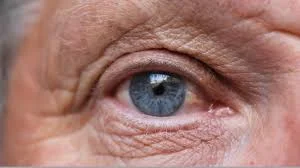
The post-hoc analysis of a Phase 3 trial on SB15, anaflibercept biosimilar, regarding the efficacy and safety of switching in neovascular age-related maculardegeneration patients was presented at ARVO 2024.The study showed that switching to the biosimilarmaintained visual and anatomic outcomes relative to the brand name (LUCENTIS), supporting its clinical use in providing more affordable anti-VEGF therapy for patients.
DIABETIC MACULAR EDEMA
The results of Regeneron's Phase 2 BOULEVARDstudy for EYLEA were presented at ARVO 2024, which used a new deep-learning based retina segmentationtool to show that patients with diabetic macularedema (DME) experienced improved outcomes with greater reductions in intraretinal fluid (IRF) volumes,linked to improved vision at one year. Specificstatistical comparisons between IRF volume reductions (<20%, 20-50%, >50%) showed that a greater reduction in fluid after treatment led to a greater reduction in total retinal thickness, innerretinal thickness and ultimately better vision.

DIABETIC MACULAR EDEMA
Separate from ARVO, Merck has acquired EyeBio to expand its pipeline with a novel late-phase candidate and preclinical options for retinal diseases. The acquisition involves a $1.3billion upfront payment and up to $1.7 billion in milestonepayments, reflecting a potential total value of $3 billion.EyeBio's Restoret is set to enter a pivotal study for diabeticmacular edema in the latter half of 2024, following up on the positive results from the AMARONE Phase II clinical trial released in February, which demonstrated a meanimprovement in best-corrected visual acuity and a meanreduction in retinal thickness.


Get expert analysis, industry trends, and exclusive updates delivered straight to your inbox. Stay ahead of the curve with valuable insights that drive success.