HEMATOLOGY
Merck's presentations at ASH 2024 showcased its robust pipeline of hematologicresearch, with over 20 abstracts covering results from trials on multiple investigationalassets. Their presentations included positive results from Phase 2 studies onzilovertamab vedotin (ZV) and nemtabrutinib in indications such as diffuse large B-cell lymphoma (DLBCL) and mantle cell lymphoma. ZV in combination with R-CHPdemonstrated a complete response rate of 100% at 1.75 mg/kg dose in the Phase 2waveLINE-007 trial of treatment-naive patients with DLBCL. Merck also presented results from a selection of the 1,600 clinical trials on KEYTRUDA, their largest revenuedriver that is seeking label expansion across multiple indications.


GENE THERAPIES
SonoThera took to ASH 2024 to showcase their ultrasound-mediated gene delivery (UMGD) platform's ability to noninvasively deliver nonviral genetic payloadswith durable and titratable FVIII and FIX geneexpression. The UMGD platform aims to treathematological diseases like Hemophilia A and B bydelivering oversized DNA payloads to the liver. The preclinical data demonstrated the platform's safety andredosability, overcoming the two largest challenges faced by existing delivery mechanisms.

GENE THERAPIES
Long-term data on Vertex's CRISPR/Cas9 gene-editedtherapy CASGEVY, presented at ASH 2024,demonstrated efficacy in both severe sickle cell disease(SCD) and transfusion-dependent beta thalassemia(TDT). The clinical trials reported that 93% of SCD patients were free from vaso-occlusive crises, and 98% of TDT patients were transfusion-independent for at least 12consecutive months. Evidence of CASGEVY's safety and efficacy have facilitated approvals in the US, UK, and the EU as the first therapy of its kind in each market.
MULTIPLE MYELOMA
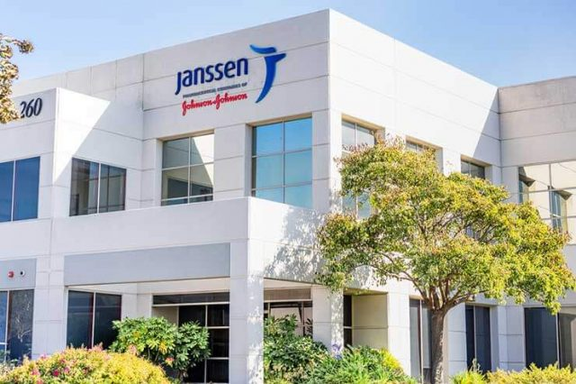
J& J's ASH 2024 presentations were headlined by data from the Phase 3 MajesTEC-4 trial, which highlighted Tecvayli'spotential as a therapy option for newly diagnosed multiple myeloma (NDMM) patients undergoing autologous stem celltransplantation. Results demonstrated MRD-negativity at follow-up for all patients and a cumulative 40% incidence of grade 3-4 neutropenia. J& J also presented results from the GRIFFIN study, demonstrating significant improvements in PFS at 36 months for NDMM transplant-eligible patients receiving the lenalidomide, bortezomib, and dexamethasone(RVd) combination in comparison with the standard of care.
LYMPHOMA
BeiGene presented its latest research in chroniclymphocytic leukemia (CLL) at ASH 2024. TheSEQUOIA study demonstrated that BRUKINSA reduced the risk of progression or death by 71%over five years compared to bendamustinerituximab in treatment-naïve patients. The company also showcased data from the Phase1/1b trial of sonrotoclax combined with BRUKINSA that achieved a 99% overall response rate, and the Phase 1/2 study of the BTK degrader BGB16673 that showed a 94% overall response rate in treatment-resistant CLL cases.

LYMPHOMA
Results from Lilly's Phase 3 BRUIN CLL-321 trial presented at ASH 2024 demonstrated that pirtobrutinib reduced the risk of disease progression or death by 46% compared to standard treatments in 238 BTK inhibitor pre-treated CLL/SLL patients. Pirtobrutinib extended median progression-free survival to 14.0 months and time to next treatment to 23.9 months, while also showing a favorable safety profile with fewer grade 3 or higher adverse events.Pirtobrutinib is currently approved under the FDA'sAccelerated Approval pathway, and will likely receive approval in additional markets based on these results.


Get expert analysis, industry trends, and exclusive updates delivered straight to your inbox. Stay ahead of the curve with valuable insights that drive success.